Not every backyard has room for a sprawling swimming pool—and not every homeowner wants one. If you like the idea of having a place to cool off, relax, and enjoy the water without dedicating a huge portion of your yard to a traditional pool, there’s an option you need to consider: a plunge pool.
Plunge pools have become increasingly popular in recent years, especially in smaller yards and outdoor spaces where homeowners want to make the most of every square foot. They can offer many of the benefits of a swimming pool in a much more compact footprint.
But are they right for every backyard? Not necessarily. Here is a closer look at what plunge pools are, along with some of their biggest pros and cons.
What Is a Plunge Pool?
A plunge pool is a small, relatively compact swimming pool designed primarily for relaxing, cooling off, and soaking rather than for swimming laps or playing large-group pool games.
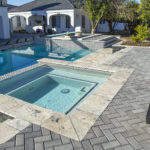
While sizes vary, plunge pools are generally much smaller than standard backyard swimming pools. They can be built in a variety of shapes and depths and may include many of the same features as a traditional pool, such as built-in seating, entry steps, lighting, water features, heating, or even spa jets.
Because they require less space, plunge pools can fit into yards that may not have room for a full-size swimming pool. They can also be incorporated into patios, courtyards, side yards, and other areas that might otherwise be difficult to use.
Let’s go over the main advantages and disadvantages of backyard plunge pools.
Pro: They Work Well in Smaller Yards
One of the most obvious advantages of a plunge pool is its small footprint.
In many modern neighborhoods and urban areas, home lots are smaller and outdoor space is limited. A traditional swimming pool can easily take over the entire backyard, leaving little room for anything else.
A plunge pool allows you to incorporate water into the landscape without sacrificing everything else. You can have your plunge pool and still keep your patio, outdoor kitchen, lawn, garden, or gathering area. With thoughtful design, the pool can become one feature within a larger outdoor living space.
Con: You Give Up Swimming Space
Of course, a plunge pool’s greatest asset might also be its biggest weakness. Because the truth is, plunge pools are small.
If you picture your entire family swimming laps, playing basketball or volleyball in the pool, hosting large pool parties, or watching a group of kids spend hours swimming, a plunge pool will likely feel limiting.
When deciding whether the smaller size will work for you, think carefully about how you actually want to use your pool. A plunge pool is excellent for a quick soak or cool down, but it cannot completely replace the functionality of a larger swimming pool.
Pro: They Are Great for Cooling Off and Relaxing
If your main goal is to have somewhere to escape the heat, a plunge pool may be all you need.
You can still float, soak, sit along the edge with your feet in the water, or spend time in the pool without needing a large swimming area. In hot climates, even a smaller pool can make a backyard much more livable during the summer.
Plunge pools can also be designed with benches, jets, or other spa-like features that make them ideal for relaxing.
Pro: They Can Be Easier to Incorporate Into the Landscape
Because plunge pools are smaller, homeowners typically have more flexibility when it comes to placement.
A plunge pool could sit beside a patio, anchor a courtyard, tuck into a corner of the yard, or become part of a larger landscape design surrounded by pavers, plants, shade structures, and outdoor seating.
Smaller pools can also create a very intentional, upscale look. Rather than trying to squeeze a traditional pool into a limited space, a plunge pool can feel like it was specifically designed for the yard, adding an attractive water feature to the landscape without taking up too much room.
Con: The Cost Per Square Foot Can Be High
While plunge pools will almost always be less expensive than full-size ones, their smaller price tag may not be proportional to the smaller size. In other words, a pool that is 75% smaller may not be 75% cheaper. You may lose a significant amount of swimming space without seeing an equally dramatic reduction in price.
Plunge pools require many of the same construction steps as a larger pool: excavation, plumbing, electrical work, filtration equipment, decking, permits, and so on. Custom features such as tile, heating systems, jets, waterfalls, or upgraded finishes can increase the cost even further.
Depending on the design and materials you choose, even a small plunge pool can be a significant investment.
Pro: They May Require Less Water and Maintenance
A smaller pool naturally holds less water than a traditional swimming pool, which can also reduce the amount of water and chemicals needed for routine care. There is also less surface area to clean. And, if you want to extend the pool’s use into colder months, heating a smaller volume of water will likely be easier.
Con: Small Pools Still Need Regular Maintenance
Even though a plunge pool may be easier to maintain than a large swimming pool, it is not maintenance-free. Don’t think that avoiding a full-size pool will allow you to avoid all the costs of pool ownership.
You will still need to monitor water chemistry, keep the filtration system running properly, remove debris, and clean the pool regularly. In fact, because plunge pools contain less water, changes in chemistry can sometimes become noticeable relatively quickly.
Homeowners should consider ongoing maintenance requirements when deciding whether any type of pool is right for their landscape.
Is a Plunge Pool Right for Your Yard?
For the right homeowner, a plunge pool can be an excellent compromise. It strikes the balance between having no pool at all and dedicating most of the backyard to a traditional swimming pool.
If you want a place to cool off and relax while preserving some space for other outdoor features, a plunge pool may be the perfect option. With thoughtful landscaping, a plunge pool can become a beautiful focal point that makes the entire backyard feel more intentional and inviting.
Remember to keep your entire landscape in mind when making your decision. By considering your yard size, budget, lifestyle, and long-term goals, you can determine whether a plunge pool—or another type of water feature—is the best fit for your landscape.
If you’re ready to transform your outdoor space and bring your dream landscape to life, contact Rustic Creek Landscaping to speak with a landscape architect today. We’re a top-rated landscape design and installation company in Queen Creek with over 20 years experience creating custom landscapes.