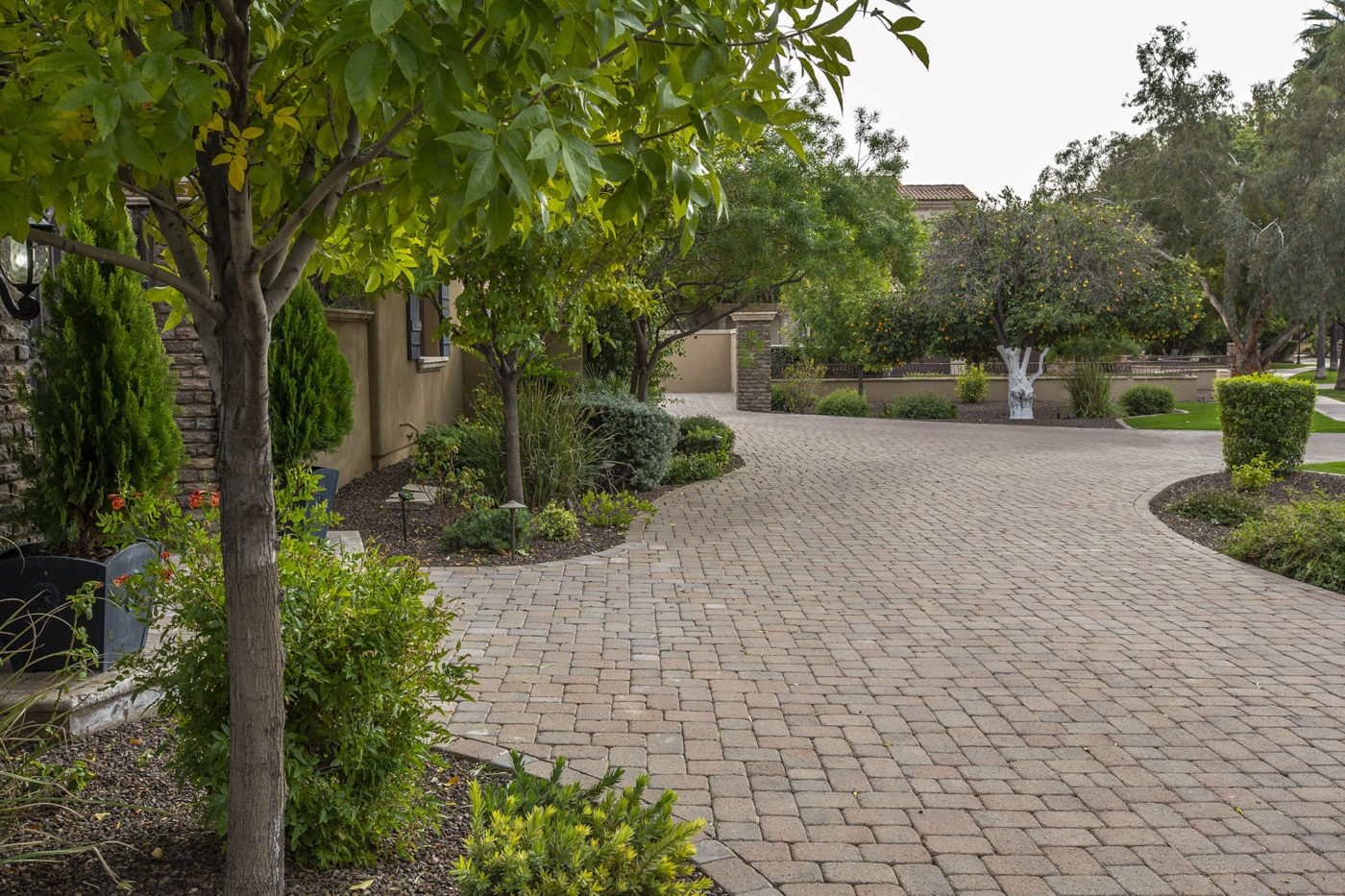
In the Phoenix area, shade is more than just a nice landscaping feature. When summer temperatures climb above 100 degrees—an almost daily occurrence in Phoenix—having the right shade trees can make all the difference when it comes to enjoying your outdoor spaces.
Trees can help cool patios, protect plants from intense afternoon sunlight, and make outdoor living areas more tolerable throughout the year. When strategically placed, they can even help reduce the amount of heat absorbed by your home, potentially lowering summer cooling costs.
But the Phoenix area is still a desert, and not every shade tree is going to thrive here. Local homeowners need to consider factors like drought tolerance, heat resistance, mature size, root systems, and ongoing maintenance when selecting shade trees for their yards.
Fortunately, there are still plenty of beautiful options that can do well, even in the Valley’s challenging climate. Here are some local favorites.
Palo Verde
Palo verde trees are among the most recognizable trees in the Sonoran Desert. With distinctive green trunks, airy branches, and brilliant yellow spring flowers, they bring beautiful, vibrant color to landscapes.
But they aren’t just beautiful—they’re also practical. Palo verde trees are well adapted to the desert climate, requiring relatively little water once established. Their open canopies provide filtered shade, making them particularly useful for protecting smaller plants from intense sunlight without completely blocking it.
Several varieties are popular in Phoenix-area landscapes, including the native blue palo verde and the thornless Desert Museum hybrid.
Best for: Homeowners who want a low-water shade tree with a distinctly Southwestern appearance.
Things to consider: Palo verde trees provide lighter shade than denser-canopied trees. They also shed flowers, leaves, and seed pods, which can create seasonal cleanup.
Mesquite
Mesquite trees are another excellent choice for desert landscapes. They have wide, spreading canopies and delicate, feathery foliage, which create attractive areas of filtered shade. And their drought tolerance makes them well suited to Arizona’s hot, dry conditions.
Native velvet mesquite trees are especially well adapted to the region. Other varieties and hybrids, including thornless options, are also commonly used in residential landscapes.
Mesquite trees can become quite large, making them particularly effective for shading patios, seating areas, and open portions of a yard.
Best for: Larger yards where homeowners want a broad, natural-looking canopy with relatively low water requirements.
Things to consider: Some mesquite varieties have thorns, and most produce seed pods and seasonal debris. Their spreading branches also require adequate space and occasional pruning.
Desert Ironwood
If you want to prioritize drought tolerance and longevity, desert ironwood is an excellent option.
Native to the Sonoran Desert, these slow-growing trees are exceptionally well adapted to heat and dry conditions. They have dense, gray-green foliage and an attractive branching structure that adds character to desert landscapes.
Unlike some other native desert trees, desert ironwoods tend to retain much of their foliage throughout the year, providing more consistent shade. They also produce beautiful lavender-pink flowers in the spring.
Best for: Low-water landscapes where homeowners want a long-lived tree with attractive foliage and year-round interest.
Things to consider: Desert ironwoods grow slowly, so they are not ideal for homeowners who want substantial shade quickly. They can also have thorns, particularly on younger branches.
Chinese Pistache
For homeowners who prefer a more traditional-looking landscape, Chinese pistache is worth considering.
These trees develop broad, rounded canopies with relatively dense foliage, making them effective at creating comfortable shaded areas. They are also known for their beautiful fall colors, with leaves that can turn brilliant shades of orange, red, and yellow.
Chinese pistache trees tolerate heat and are well suited to many Phoenix-area landscapes. That said, they generally require more supplemental water than native desert varieties.
Best for: Homeowners who want substantial summer shade and seasonal color.
Things to consider: Chinese pistache trees are deciduous, meaning they lose their leaves in winter. They also need plenty of room for their mature canopy and root system.
Desert Willow
Want to bring shade and color to your landscape? Desert willow might be the perfect fit.
These small to medium-sized native trees produce trumpet-shaped blooms in shades of pink, purple, and white, typically from late spring through summer. Their flowers also attract hummingbirds and other pollinators.
Desert willows have an airy, graceful appearance and generally require relatively little water once established.
Because they stay smaller than many traditional shade trees, they can be a good choice for courtyards, smaller yards, and areas where a large canopy would be impractical.
Best for: Smaller outdoor spaces where homeowners want light shade, flowering beauty, and wildlife appeal.
Things to consider: Desert willows provide less shade than larger trees and lose their leaves during the cooler months.
Willow Acacia
Willow acacia is another popular choice for Arizona landscapes, especially in areas where space is limited.
These evergreen trees have long, narrow leaves and graceful, drooping branches that create a soft, flowing appearance. Their upright growth habit makes them useful for spaces where a wider canopy wouldn’t work.
Willow acacias are heat tolerant and relatively drought resistant once established.
Best for: Narrower landscape areas where homeowners want evergreen foliage and a relatively upright shade tree.
Things to consider: Willow acacias are prone to weak branches that can easily break during monsoon storms. Proper pruning and structural maintenance is crucial, especially while the tree is young.
Related: Native Arizona Plants That Thrive in Residential Yards
Choosing the Right Shade Tree for Your Yard
With so many options available, choosing the best shade tree ultimately comes down to your landscape’s specific needs.
Before planting, consider a few important factors:
- Available space: Look beyond the tree’s current size, accounting for its mature height and canopy width. Check proximity to structures, walls, and utility lines.
- Shade coverage: Dense canopies provide more substantial shade, while open canopies allow filtered sunlight to reach plants and other landscaping features below.
- Water requirements: Native and drought-tolerant trees are often better suited to low-water landscapes, but even desert-adapted trees need regular irrigation while becoming established.
- Maintenance: Consider whether you’re comfortable with seasonal leaf drop, flowers, seed pods, thorns, and pruning.
- Placement: Think about where shade will be most valuable. Trees positioned to block intense afternoon sunlight can be especially beneficial in Phoenix-area yards.
- Community restrictions: Some HOAs restrict specific tree varieties in their communities. Make sure you check your neighborhood’s regulations before planting any trees.
Create a Cooler, More Comfortable Landscape
The right shade tree can transform an outdoor space, making it more beautiful, functional, and comfortable—even in the Arizona heat.
Whether you’re drawn to the colorful blooms of a palo verde, the broad canopy of a mesquite, or the traditional appearance of a Chinese pistache, there are excellent options for a wide range of landscape styles and needs.
The key is choosing trees that fit your space, complement your overall landscape design, and can thrive in the local climate for years to come. For help choosing the right shade tree for your outdoor space, contact Rustic Creek Landscaping. We are a landscape design company based in Queen Creek, and we’ve been providing custom landscape design to East Valley residents for over 20 years.