Living in Arizona means enjoying plenty of sunshine, beautiful desert scenery, and opportunities for outdoor living nearly year-round. But with an arid climate, including intense summer heat and limited rainfall, Arizona also presents some major challenges when it comes to creating and maintaining a healthy landscape.
But a beautiful yard doesn’t have to use enormous amounts of water. With thoughtful landscape design, you can create a lush, inviting outdoor space that thrives in the desert climate without relying on excessive irrigation.
Whether you’re starting from scratch or looking to make your existing yard more water-efficient, here are some tips for designing a beautiful, low-water Arizona landscape.
Choose Plants That Thrive in the Desert
One of the most important steps in designing a low-water landscape is selecting plants that are naturally suited to Arizona’s climate.
Native and desert-adapted plants generally require less supplemental water than traditional landscaping plants once they’re established. They are also better equipped to handle intense sunlight, high temperatures, and periods of drought.
And “native plants” doesn’t just mean cacti, either. There are plenty of beautiful plant options to choose from! Some popular choices for Arizona landscapes include:
- Desert marigold: Bright yellow flowers that add cheerful color to desert gardens.
- Red yucca: An attractive, low-maintenance plant with tall stalks of coral-colored flowers that attract hummingbirds.
- Lantana: A colorful flowering plant that thrives in the heat and attracts butterflies.
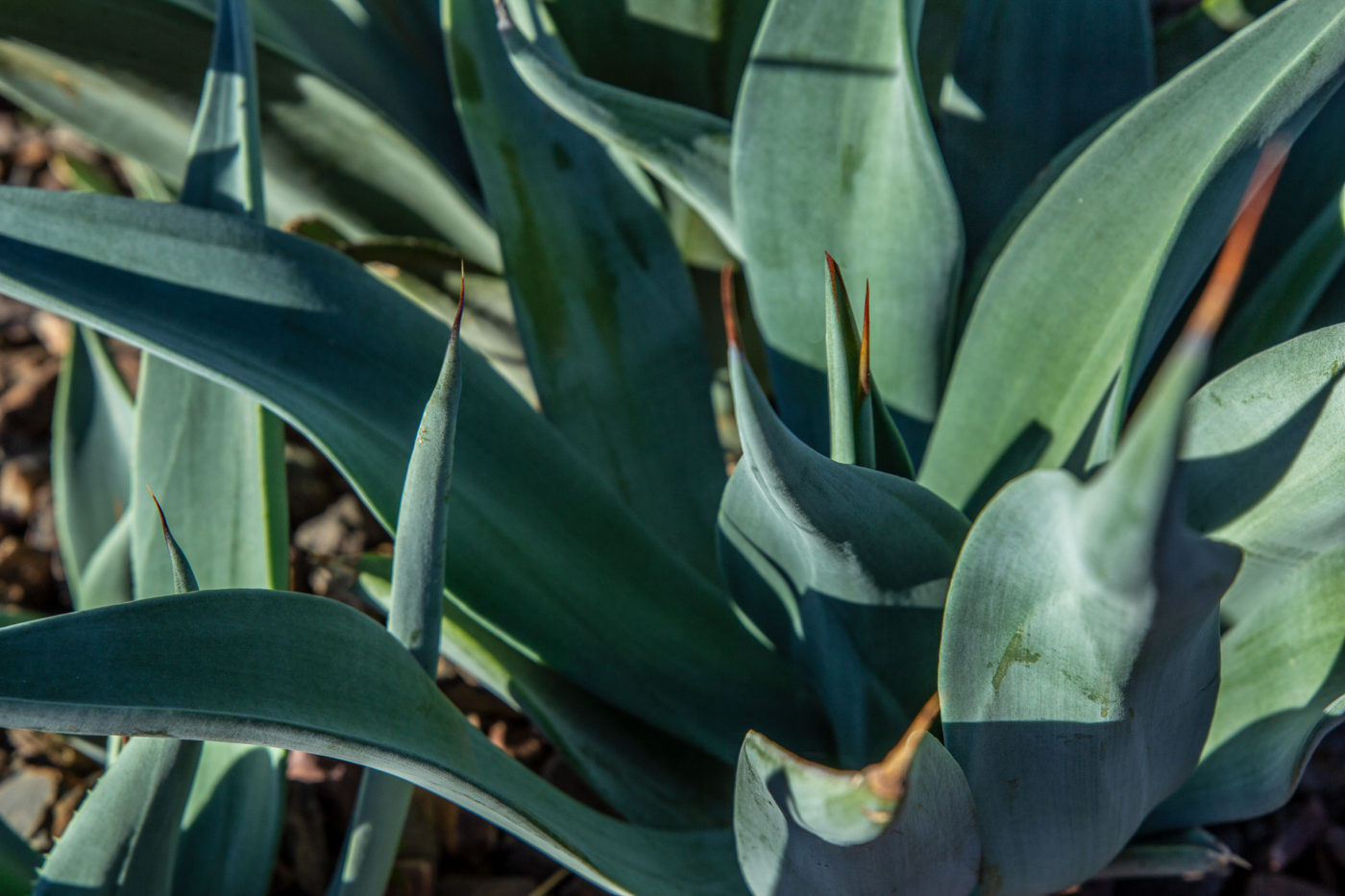
- Agave: A dramatic architectural plant that creates visual interest with its distinctive shape.
- Texas sage: A hardy shrub with silvery foliage and purple blooms.
- Desert willow: A small flowering tree that provides filtered shade and beautiful blossoms.
Use plants with different colors, textures, shapes, and heights to create a landscape that feels vibrant and full without requiring large amounts of water.
Replace Traditional Grass With Water-Wise Alternatives
Traditional grass lawns can be very challenging to maintain in Arizona. Keeping turf green year-round requires frequent watering, mowing, fertilizing, and other maintenance.
If you’re looking to reduce your landscape’s water consumption, consider replacing some or all of your grass with more water-efficient alternatives.
Artificial turf is a popular option for homeowners who want the appearance of a green lawn without the irrigation requirements. It’s especially useful for play areas and spaces where you want a soft, consistent surface. That said, artificial turf can become extremely hot in direct sunlight, so consider placement carefully.
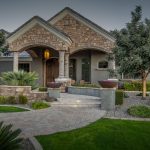
Another option for reducing your lawn’s footprint is to replace portions of grass with decorative gravel, decomposed granite, pavers, or planted garden beds. These materials can create beautiful outdoor spaces while requiring no additional water.
And remember: you don’t necessarily have to eliminate real grass entirely. A smaller, strategically placed lawn can provide space for children and pets while allowing the rest of your landscape to incorporate low-water features.
Use Hardscaping to Create Beautiful Outdoor Spaces
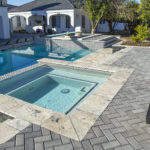
Hardscaping is an essential part of water-wise landscape design. Patios, walkways, retaining walls, seating areas, and other nonliving landscape elements add structure and functionality without requiring irrigation.
A spacious paver patio can create an inviting area for outdoor dining and entertaining. Natural stone pathways can connect different parts of your yard, while decorative boulders and gravel beds add texture and visual interest.
Hardscaping also allows you to define distinct outdoor spaces—the patio is separate from the planting bed, which is separate from the seating area, and so on. Creating these designated spaces makes even a small backyard feel intentional and thoughtfully designed.
One thing to keep in mind: hardscape materials can absorb and radiate heat. When designing these areas, consider surface temperatures, shade, and material choices in order to keep outdoor living areas comfortable.
Incorporate Shade Into Your Design
Shade is one of the most valuable features of an Arizona landscape. It makes outdoor spaces more comfortable during hot weather and can help reduce moisture loss from the soil.
Consider where the sun hits your yard throughout the day, especially during the afternoon. Shading those areas can make a significant difference in how often you’re able to enjoy your outdoor space.
Desert-adapted shade trees, such as palo verde, mesquite, and desert willow, can provide relief from the sun while complementing a water-wise landscape.
Pergolas, covered patios, and strategically placed shade structures can also help create gathering spaces that are comfortable year-round.
Install an Efficient Irrigation System
Even drought-tolerant plants need water, especially while they’re becoming established. The trick is to deliver that water as efficiently as possible.
Drip irrigation is one of the best options for Arizona landscapes. This method delivers water directly to the root zones of plants rather than spraying it across large areas.
Smart irrigation controllers can make your system even more efficient by adjusting watering schedules based on weather conditions and seasonal needs.
You can also make your watering more efficient by grouping plants with similar water needs together. This is known as hydrozoning, and it allows you to water different areas appropriately without overwatering some plants.
Once roots are established, most desert plants will thrive with much less irrigation than they needed early on.
Add Mulch to Help Retain Moisture
Mulch is a simple addition that can make a big difference in a low-water landscape.
A layer of organic mulch, such as wood chips or shredded bark, helps reduce evaporation, moderate soil temperatures, and suppress weeds. As organic mulch breaks down, it can also improve soil conditions.
Some Arizona homeowners choose to use gravel or decorative rock as alternatives to mulch. Be aware that rock can absorb and radiate heat, so it should be used thoughtfully around sensitive plants.
Create a Landscape That’s Beautiful and Sustainable
A low-water landscape doesn’t have to look sparse, dry, or uninviting. The key is to approach your landscape as a complete design. Some of Arizona’s most beautiful outdoor spaces embrace the natural character of the desert while incorporating colorful plants, interesting textures, and thoughtfully designed hardscaping.
Whether you’re interested in a complete landscape transformation or want to make your existing yard more water-efficient, it is definitely possible to create a beautiful, functional outdoor space that works with Arizona’s climate instead of fighting against it. If you need a little extra help, reach out to a local landscape designer like Rustic Creek Landscaping. A professional eye might be just what you need to create a desert-friendly space that you’ll love for years to come.