For decades, the traditional green lawn has been the default for residential landscaping. But these days, many homeowners are rethinking that standard—and for good reason. Traditional grass lawns require significant amounts of water, frequent mowing, seasonal fertilizing, constant weed control, and ongoing maintenance to stay looking their best. Depending on your climate, your lawn can end up being one of the least practical elements in your landscape.
The good news? A beautiful yard doesn’t have to have a conventional grass lawn. From low-maintenance groundcovers to naturalized meadows, there are plenty of alternatives that offer visual appeal, functionality, and a fresh take on outdoor design. Take a look at some of our favorite alternatives, and keep in mind that the right option for your home will depend on your climate, lifestyle, and how you actually use your outdoor space.
Clover Lawns
Clover has become one of the most talked-about lawn alternatives. Soft underfoot and naturally green, clover creates a lush, informal, natural look while requiring far less maintenance than traditional grass.
Unlike grass, clover typically needs less water to stay healthy. It also usually requires little to no fertilizer, since it naturally adds nitrogen back into the soil. Plus, it naturally stays relatively short, reducing mowing needs. White clover is the most common option, though microclover offers a finer, more lawn-like appearance.
PROS
- Lower water needs than traditional grass lawns
- Minimal fertilizing
- Soft texture
- Pollinator-friendly if allowed to flower
POTENTIAL DRAWBACKS
- Less durable; can flatten under heavy foot traffic
- May go dormant in extreme heat or cold
- Attracting some pollinators—like bees—is less ideal for areas where kids play or may go barefoot.
BOTTOM LINE: Clover lawns are the best alternative for homeowners who want a greener, softer lawn alternative without the high maintenance.
Artificial Turf
Artificial turf has become increasingly popular in the last couple of decades, particularly in areas where water conservation is a major concern. The good news is that modern turf products are far more realistic than earlier versions, with better texture, varied blade tones, and improved drainage systems.
For families with pets or children, artificial turf provides a consistently green play area without muddy patches or the need for mowing. It also automatically gives a yard a clean, polished look, which works well for landscapes with a a more modern aesthetic.
PROS:
- No watering, mowing, or fertilizing
- Consistent appearance year-round
- Durable for high-use spaces
- Great for pet areas and play zones
POTENTIAL DRAWBACKS:
- Higher upfront installation cost
- Can become hot in direct sun
- No ecological benefits compared to living groundcover
- May eventually require replacement
BOTTOM LINE: Artificial turf is typically best for homeowners who are willing to make an initial investment to get the of healthy grass with minimal upkeep.
Meadow-Style Plantings
For a more natural, eco-friendly approach, meadow landscapes offer a completely different aesthetic. Instead of a manicured lawn, these outdoor spaces use grasses, wildflowers, and native plantings to create a looser, more organic feel—like you’re walking through an untamed field rather than a clean-cut lawn.
Meadows support pollinators, birds, and biodiversity, while also bringing seasonal movement, texture, and color to the landscape. Because they’re created using native plants, they also dramatically reduce mowing and irrigation needs once established.
PROS:
- Excellent ecological benefits
- Lower maintenance over time
- Strong visual character
- Supports pollinators and wildlife
POTENTIAL DRAWBACKS:
- Less formal appearance
- Not ideal for active play spaces
- Can look messy if poorly maintained
- Establishment takes time and planning
BOTTOM LINE: Meadow-style lawns are best for homeowners who prefer a naturalistic landscape and want to prioritize sustainability.
Moss Lawns
To create a soft, lush, almost storybook aesthetic, look no further than moss. Moss lawns give a completely different vibe from grass lawns, and their care needs are different too; they don’t require mowing and they thrive in shady, moist environments where grass struggles.
That said, moss is highly climate-dependent. In dry, sunny, or high-traffic environments, it’s not a practical option.
PROS:
- No mowing
- Unique, lush appearance
- Thrives in shade
- Soft underfoot
POTENTIAL DRAWBACKS:
- Requires moisture and shade
- Poor tolerance for heavy traffic
- Not suitable for many climates
BOTTOM LINE: Best for shaded, cooler landscapes where traditional grass struggles.
Groundcover Alternatives
Low-growing groundcovers can provide the visual softness of a lawn without the demands of traditional grass. The type of groundcover you can use will depend largely on your climate and region, but popular options include creeping thyme, sedum, mondo grass, and chamomile.
These alternatives create beautiful texture while reducing mowing and water use. Some tolerate light foot traffic, but others are best as decorative coverage.
PROS:
- Lower maintenance
- Reduced water use
- Visual interest and texture
- Many pollinator-friendly options
POTENTIAL DRAWBACKS:
- Vary widely in durability
- May spread unpredictably
- Some require more establishment care
- Not a realistic option for all regions or climates
BOTTOM LINE: Groundcover lawns are usually best for homeowners looking for living alternatives that feel softer and more distinctive than turf.
Hardscape and Intentional Planting
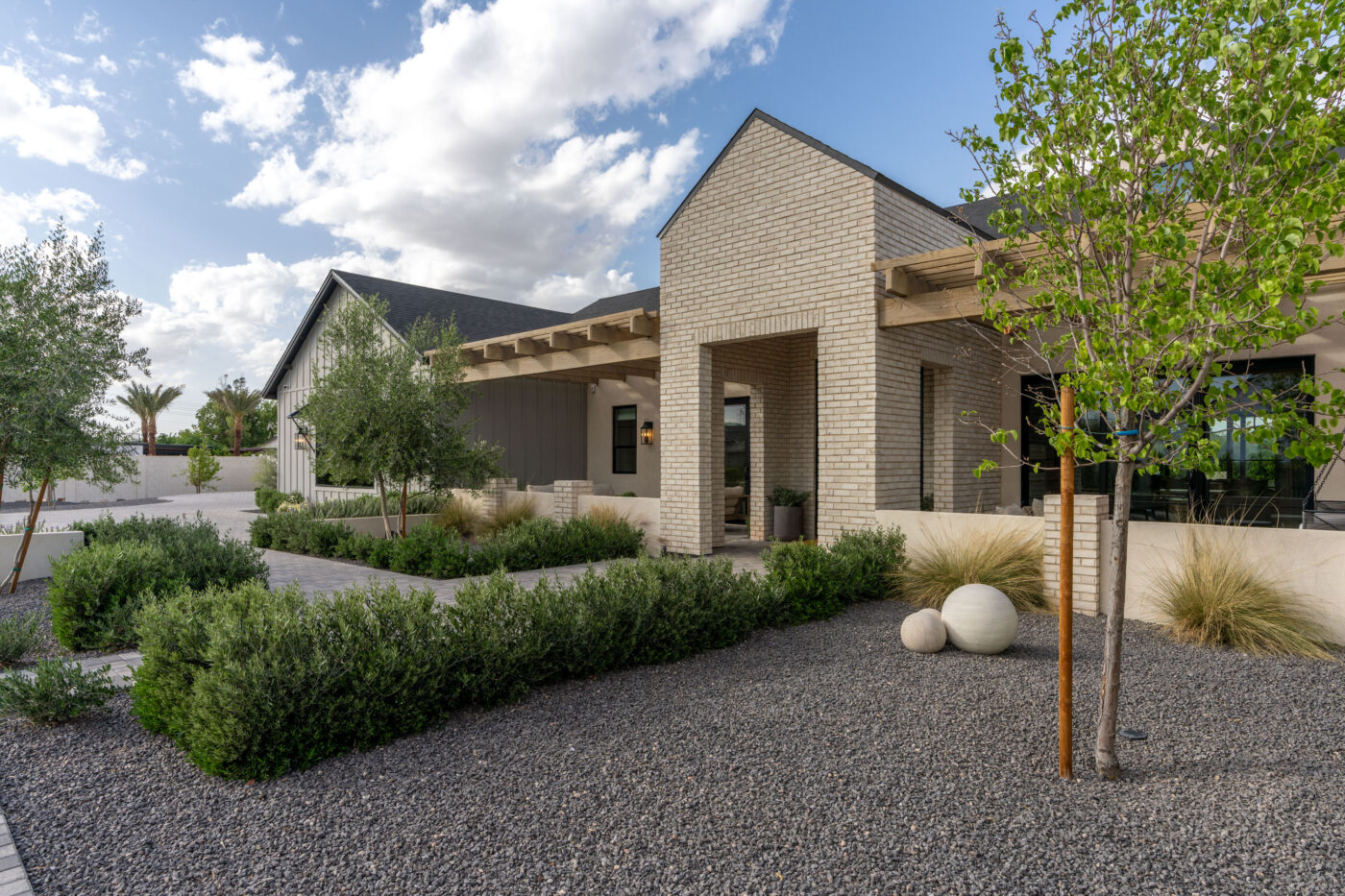
Sometimes the best lawn alternative isn’t a “lawn” at all. Many modern landscapes fill large open areas with a combination of hardscape, gravel, planting beds, seating zones, and strategically placed greenery.
This approach is extremely flexible, even allowing you to add a small lawn if you want. Designing your lawn in this way allows you to give it the exact functionality and design you want, so no space is wasted and it works perfectly for your lifestyle.
PROS:
- Extremely customizable
- Lower long-term maintenance
- Can dramatically reduce water use
- Creates more functional outdoor spaces
POTENTIAL DRAWBACKS:
- Higher design/planning needs
- Upfront installation costs can vary widely
BOTTOM LINE: This flexible approach is best for homeowners who are ready to rethink how they use their outdoor space entirely.
—
At the end of the day, there’s no one-size-fits-all replacement for traditional grass. The best alternative depends on how you use your yard, how much maintenance you’re willing to take on, and what kind of look you want to create.
The shift away from traditional grass isn’t about giving something up. It’s about designing an outdoor space that better matches the way you and your family actually live. So think outside the lawn, and consider an alternative that truly works for you. If you’re looking for an experienced landscape design company in Queen Creek, Rustic Creek Landscaping has got you covered. Contact us today to speak with an expert designer regarding your landscape vision.