Think you have to choose between a beautiful garden and a family-friendly yard? Think again! Those things do not have to be mutually exclusive. In fact, what makes an outdoor space truly great is that it is designed to be lived in. That means your kids can explore, your pets can roam, and the adults can still enjoy a landscape that feels intentional and inviting.
To design a kid- and pet-friendly garden, you have to think beyond appearance alone. Safety, durability, comfort, and usability all become key parts of the equation. The goal isn’t to create a space that looks flawless and untouched—it’s to create one that works beautifully for your real life.
Here’s how to design a garden that keeps the whole family in mind—without sacrificing style.
Start With Safety
Safety should be the foundation of any family-friendly landscape design.
First thing’s first: evaluate potential hazards from a child’s or pet’s perspective.
That means you need to look for thing like:
- Toxic plants that could be tempting to curious kids or pets
- Thorny or spiky plants near play areas or pathways
- Sharp hardscape edges or unstable stones
- Standing water features that may pose a risk to young children
- Chemicals like fertilizers, herbicides, or pesticides stored within reach
This doesn’t mean you have to give up the plants you love; it just means that you should place hazardous plants in less accessible areas. Choose softer, safer choices for high-traffic zones and play areas.
Choose Durable Plants
Not all plants can handle the rough treatment of family life. If your dog occasionally barrels through the garden, or your kids like to weave between planting beds during games, fragile blooms may not be your best investment.
Think about using resilient plants that can tolerate less-than-gentle interaction (think: tough ornamental grasses, hardy shrubs, and durable groundcovers). These often hold up better than delicate annuals.
Not everything has to be indestructible, but placement is key. Keep your more delicate or sensitive plants in hard-to-reach or well-protected zones.
Create Clear Zones for Different Activities
One of the smartest ways to make a garden functional is to define how different areas of the yard will be used. Instead of expecting every square foot to serve multiple purposes, create intentional zones.
For example:
- A grassy or open play area for running and games
- A patio or seating zone for adults
- A designated dog run or pet relief area
- Raised beds or protected planting areas
- Quiet corners for reading or relaxing
Clear zones like these reduce wear and tear while helping the yard feel organized rather than chaotic. Use pathways, low borders, plant groupings, or changes in material to help subtly define each space.
Think About Surface Materials
What’s underfoot matters a lot in family yards. Kid- and pet-friendly gardens benefit from surfaces that are safe, durable, and comfortable.
Popular options include:
- Natural grass for play and lounging
- Artificial turf for low-maintenance durability
- Mulch in play areas (find a pet-safe variety if needed)
- Smooth pavers for pathways and patios
- Decomposed granite or gravel in lower-traffic areas
Some surfaces can become dangerously hot, overly slippery, or too rough for bare feet and paws. Consider your climate and other factors (shade, watering schedules, etc.) as you choose surface materials for your outdoor space.
Add Shade and Maximize Comfort
Children and pets overheat quickly, so comfortable shade is essential. Trees, pergolas, umbrellas, and covered patios all help make the yard safer and more usable during warmer weather. You can also add misting systems or fans to patios and seating areas, creating cooler microclimates that make the yard more enjoyable for everyone.
Shaded resting spots are especially important for pets, who may not naturally retreat indoors when they should. Water access is equally important—whether that’s a fresh bowl, pet fountain, or nearby hose for cooling off.
Protect Your Plants (and Your Sanity)
Ever planted something beautiful…only to watch a dog dig it up or a toddler trample right over it?
The truth is, not every garden feature belongs in a high-traffic area.
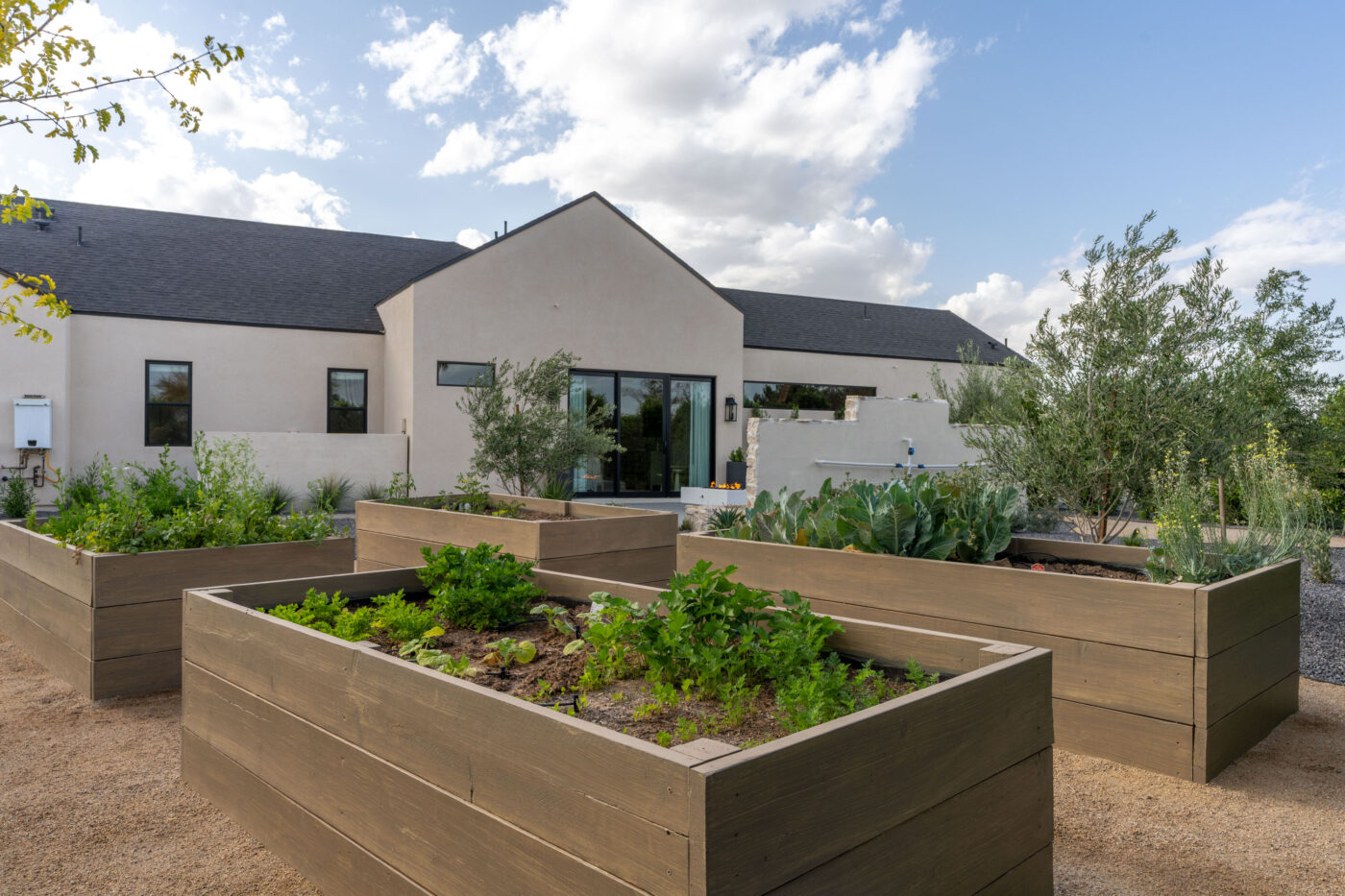
Raised beds can help protect vegetables and flowers from unintentionally destructive little ones. Decorative fencing, low barriers, or strategic placement behind larger shrubs can also keep vulnerable plants safer.
You can still have the garden you love—it’s just important to design it in a way that makes occasional chaos less frustrating.
Make It Interactive
Family-friendly gardens invite engagement. They aren’t “look-but-don’t-touch” landscapes; instead, they contain elements that encourage curiosity and enjoyment.
Create this type of yard for your family by incorporating:
- Sensory plants with distinct fragrances or interesting textures
- Edible herbs, berries, or vegetables
- Butterfly- or pollinator-friendly flowers
- Stepping stones or winding paths for exploration
- Water play features (designed with safety in mind)
Interactive elements help children connect with nature while making the space feel more dynamic and alive. Plus, they turn your yard into a space the whole family can enjoy together.
Plan for Maintenance (and Be Realistic)
A family-friendly garden should fit your real life—not an imaginary version of your life where everything stays perfectly tidy and you follow every schedule to the minute. Keep this in mind as you select materials and plants. Align your design choices with the amount of maintenance you’re realistically willing to do.
If your schedule is packed, high-maintenance lawns or delicate flower beds can quickly become a source of stress. If you’re new to gardening and plant care, exotic or demanding plants may require more attention than you have to give. And if your kids are too young to help with yard work (and you don’t want to hire professional help), then all of the work is going to fall on you.
Durable, forgiving design choices often create the best long-term experience for busy families. But take your own schedule and experience into account when you design your family’s yard.
A Garden Designed for Living
The best kid- and pet-friendly gardens aren’t sterile or overly simplified—they’re just thoughtfully designed for real life. They embrace activity and movement; they allow things to be a little unpredictable; they create space for everyone; and they still feel beautiful and cohesive.
By prioritizing safety, durability, comfort, and intentional design, you can create an outdoor space that works for every member of your household. After all: a garden should be more than something you admire from the window; it should be a place where hands get dirty, paws get muddy, everyone feels welcome, and memories are made—together.