Not everyone has a large backyard. There isn’t always room for sprawling garden beds or expansive patios. But limited square footage doesn’t have to limit your gardening potential. All you have to do is think upward, not outward—with vertical gardening.
Vertical gardening is a smart, attractive solution that allows homeowners to grow more plants, add visual interest, and make the most of even the smallest outdoor spaces.
Whether you’re working with a compact backyard, a narrow side yard, a balcony, or a small courtyard, vertical gardening helps you make the most of the outdoor space you have by allowing you to take advantage of unused vertical space. The result is a landscape that not only feels more dynamic and full, but is also more productive than its size would suggest.
What Is Vertical Gardening?
At its core, vertical gardening is exactly what it sounds like: growing plants vertically—upward rather than outward. Instead of relying solely on traditional horizontal planting beds, vertical gardens use walls, trellises, hanging containers, shelves, and other structures to support plant growth.
Vertical gardens can be purely decorative, highly functional, or a combination of both. Some homeowners focus mainly on visual appeal, using vertical gardens to create privacy or soften hardscape elements. Others use them to grow herbs, vegetables, or flowers in areas where ground space is limited.
The beauty of vertical gardening lies in its flexibility. No matter the size or style of your landscape, you can adapt a vertical garden to fit your needs.
The Benefits of Going Vertical
One of the biggest advantages of vertical gardening is that it maximizes growing space. By using walls, fences, and other vertical surfaces, you can significantly increase the number of plants your landscape can support.
But the benefits go beyond space savings. Vertical gardens can also:
- Create visual interest through height and dimension
- Add more privacy to patios and seating areas
- Improve air circulation around plants
- Make harvesting and maintenance easier
- Transform blank walls or fences into living focal points
- Help define outdoor spaces without bulky structures
In short, they are a beautiful and functional solution to many common gardening problems.
Trellises: The Classic Vertical Growing Option
Trellises remain one of the most popular and versatile vertical gardening tools. Available in a variety of materials and styles, they can support climbing flowers, vines, vegetables, and even certain fruiting plants.
Popular choices for trellis growing include:
- Clematis
- Jasmine
- Morning glories
- Climbing roses
- Pole beans
- Peas
- Cucumbers
Use a trellis to turn a simple fence into a living wall of greenery, or add one to create a natural screen between different areas of the yard. Either way, it adds a timeless, aesthetically pleasing vibe to any yard.
Living Walls and Wall Planters
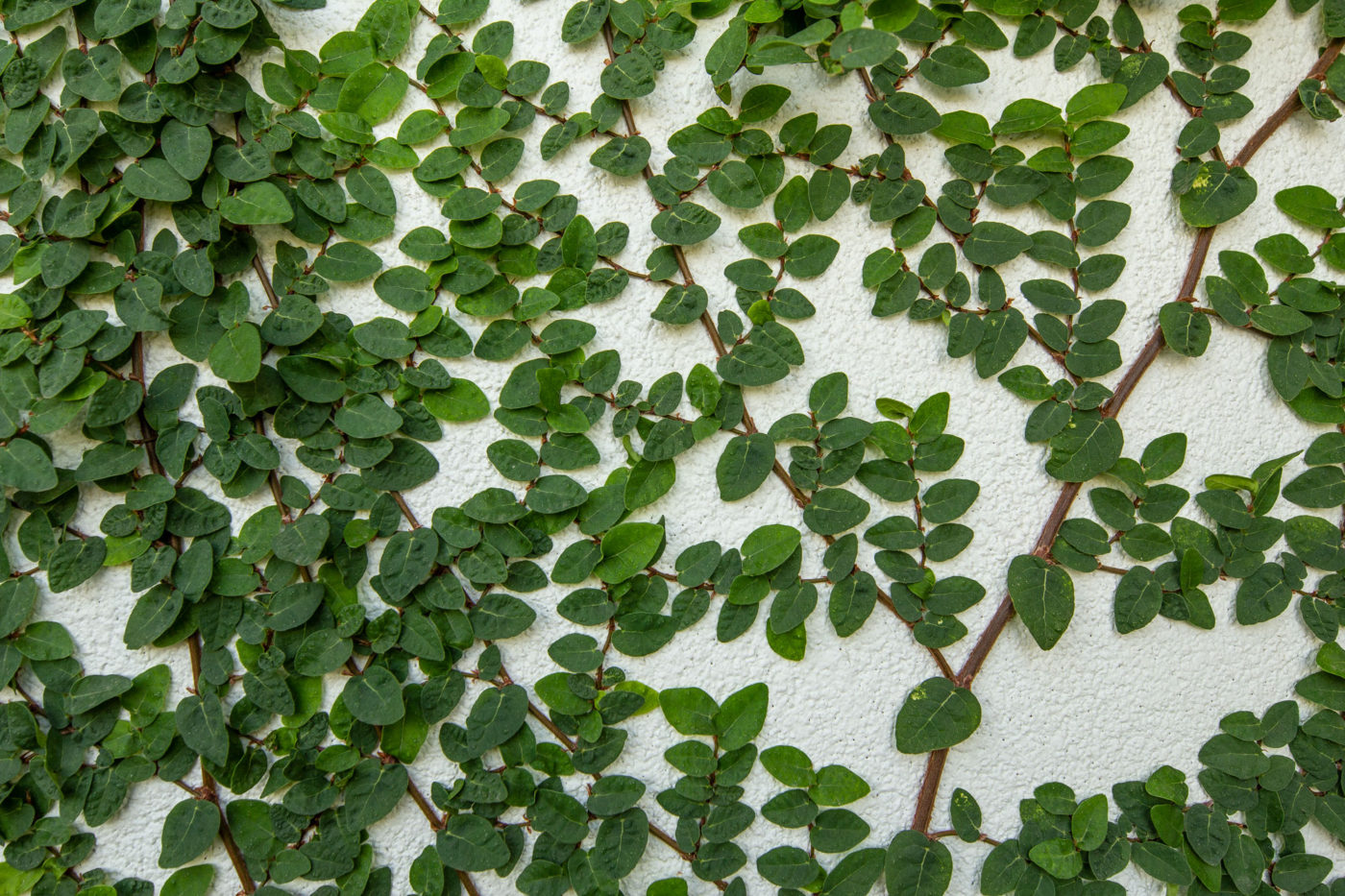
If you want to make a dramatic statement, consider adding a living wall to your landscape. These systems use mounted containers, pockets, or modular panels to support a dense collection of plants directly on a vertical surface, creating a stunning focal point.
Living walls work well in courtyards, patios, and areas where floor space is limited. Use them to plant:
- Succulents
- Ferns
- Herbs
- Tropical plants
- Flowering annuals
Don’t let the idea of covering an entire wall overwhelm you. Even a small wall-mounted planter system can add a unique design feature that brings life to an otherwise unused space.
Hanging Baskets and Elevated Containers
You don’t have to create permanent structures to effectively use vertical space. Sometimes the simplest vertical gardening solutions are the best for your needs. Hanging baskets, for example. instantly add color and greenery without taking up valuable ground space.
They work well on:
- Covered patios
- Pergolas
- Balcony railings
- Porch ceilings
- Shepherd’s hooks
Trailing flowers, herbs, strawberries, and certain succulents all thrive in hanging containers. Mixing upright and cascading plants creates a fuller, more dramatic effect.
Similarly, elevated planters and tiered plant stands can utilize vertical space while making plants easier to access and maintain. They’re a simple, turnkey solution that can make your yard instantly more appealing and useful.
Grow Edibles Vertically
Vertical gardening isn’t just for ornamental plants. It can be an incredibly productive way to grow some of your favorite foods.
Many vegetables naturally lend themselves to vertical growing, including:
- Tomatoes
- Cucumbers
- Pole beans
- Peas
- Squash varieties
- Strawberries
Growing edibles vertically actually offers several advantages: fruits stay cleaner, air circulation improves, and harvesting becomes easier. It can also help reduce pest and disease issues by keeping foliage off the ground.
Any homeowner who is interested in growing their own food should definitely consider a vertical system as a way to increase production without needing to install or expand garden beds.
Create Privacy and Shade
Vertical gardens can serve practical purposes beyond growing plants. Strategically placed trellises, vine-covered screens, and tall planter walls can create privacy in small yards or urban settings. These living structures often feel more inviting and natural than traditional fences or barriers.
They can also provide filtered shade, making outdoor spaces more comfortable during warmer months. For example, a pergola draped with climbing plants creates a cooling canopy that also adds softness and visual appeal.
Design Tips for Success
Like any landscape element, the most successful vertical gardens are designed with both aesthetics and practicality in mind. The good news is that because vertical gardens are so flexible and adaptable, a little bit of thought and planning will go a long way.
When designing a vertical garden, keep these considerations in mind:
- Match plants to the appropriate amount of sunlight
- Ensure structures are sturdy enough to support mature growth (not just starter growth)
- Consider watering/irrigation needs, especially for wall systems and containers
- Leave enough walking space for maintenance and harvesting
- Mix textures, colors, and plant forms for visual interest
Thinking Beyond Square Footage
Vertical gardening is proof that great landscapes aren’t defined by size. With smart design, you can use walls, fences, trellises, and elevated structures to dramatically increase both the beauty and functionality of your outdoor space.
Whether you’re growing plants or food, creating shade, or adding privacy to your yard, vertical gardening offers creative solutions for making every inch of your landscape work harder.
Contact Rustic Creek Landscaping, Queen Creek’s top-rated landscape architect, for a free no-obligation consultation for your outdoor space. Our team of experienced landscape designers are ready to help you bring your vision to life.