
When people think of a vibrant landscape, they often think of constantly blooming flowers. But there are other, more desert-friendly ways to create visual interest in your yard.
Cacti and succulents offer something different. They may not be as soft or as traditionally colorful as flowers, but they deliver color, texture, and structure that last all year long. With the right selection and placement, these plants can create a dynamic outdoor space that feels alive in every season. And as a bonus—they do it all without the maintenance demands of traditional flower beds.
Whether you’re working with a full yard or a few containers, colorful cacti and succulents can fit into a wide range of landscape styles, bringing a unique combination of resilience and visual impact to your outdoor space.
Why Succulents and Cacti Stand Out
Many plants only peak for a few weeks each year, but succulents and cacti have more longevity. Not only that, they remain interesting all year long, with shapes, tones, and subtle seasonal shifts that help your landscape feel layered and intentional. With fleshy leaves, sculptural forms, and natural color variations, they don’t need to be in bloom to stand out.
They’re also known for being low-maintenance and drought-tolerant. Once established, most require minimal watering and care, while still delivering strong visual appeal. This makes them a practical choice for homeowners who want beauty without constant upkeep—especially in the desert.
A Spectrum of Color
When people think of cacti and succulents, green is often the first color that comes to mind. In reality, the palette goes far beyond that. These plants can introduce a wide range of hues into your landscape:
- Soft blues and silvers from agave and blue chalksticks
- Deep greens from aloe and jade plants
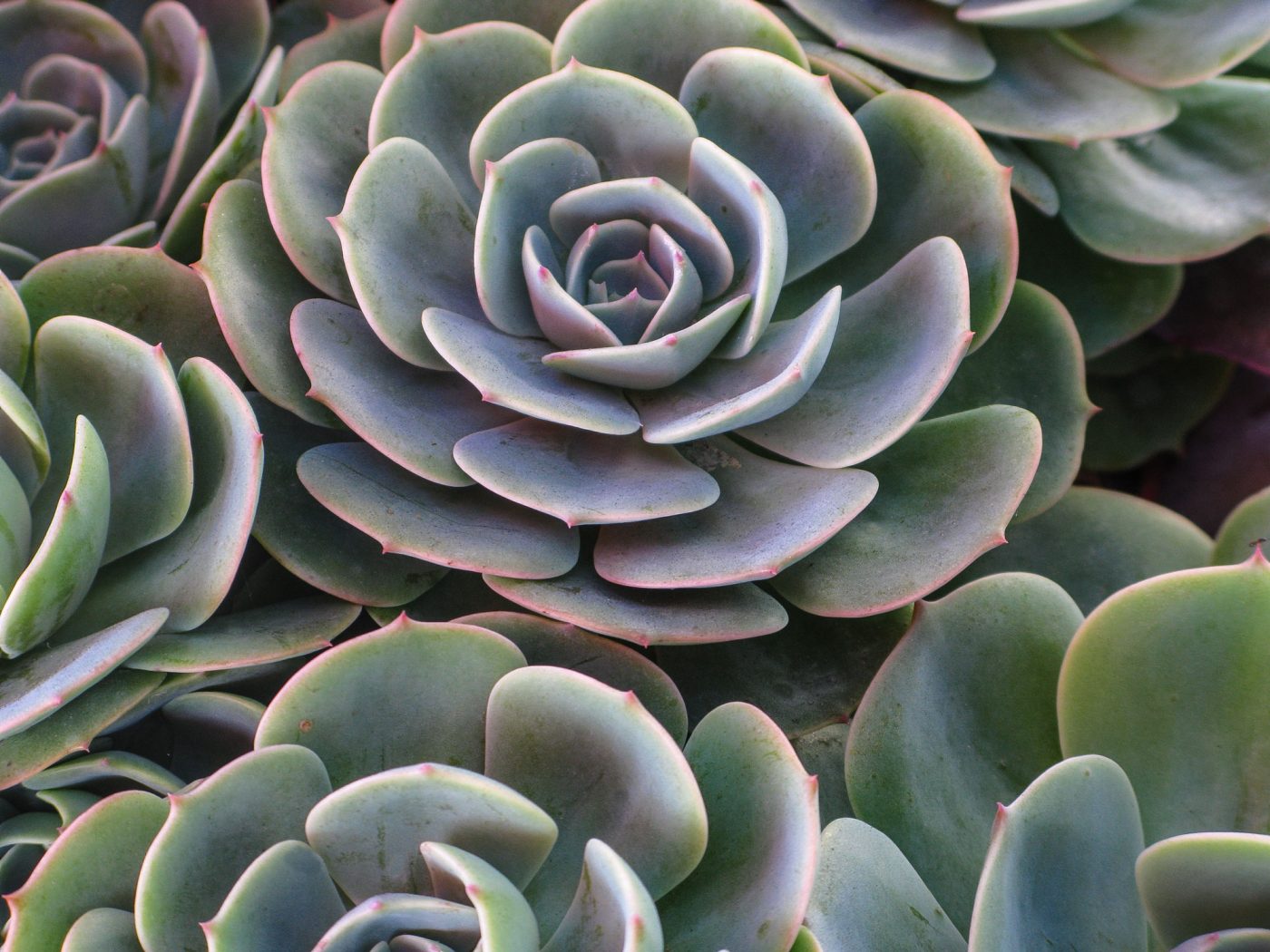
- Purple and burgundy tones from echeveria and kalanchoe
- Bright chartreuse accents from sedum varieties
- Blush pinks and oranges that intensify with sun exposure or seasonal change
Many succulents actually shift color depending on light, temperature, and water conditions. This means your landscape will subtly evolve throughout the year. This natural variation keeps the space feeling fresh, with barely any effort.
Texture and Form as Design Elements
Beyond color, succulents and cacti bring unmatched texture and structure to an outdoor space. Some grow in tight rosettes, others in tall spires, and some spread low across the ground, creating variety and interest anywhere they’re planted.
- Rosette shapes (like echeveria) create symmetry and repetition
- Spiky forms (like agave or barrel cactus) act as bold focal points
- Trailing varieties (like string of pearls or burro’s tail) soften edges and spill over containers or walls
- Columnar cacti add vertical interest and height
By combining different forms, you can create contrast and rhythm in your landscape. Pairing smooth, rounded plants with sharp, architectural ones adds depth and keeps the design visually engaging.
Designing With Succulents
Too many people think of succulents and cacti as a “last resort” option—the things you plant when you can’t get anything else to grow. But the truth is, these hardy plants can often take your yard’s styling to new heights and become prominent features in your landscape design.
For a modern look, use clean lines, gravel mulch, and a limited plant palette with repeating forms. For a more natural feel, mix succulents with boulders, ornamental grasses, and flowing pathways. Containers can be grouped at varying heights to create layered arrangements on patios or entryways.
Succulents also work well as accents. A single statement agave or cluster of colorful echeveria can transform a simple planting bed into an intriguing focal point.
Pairing With Other Elements
Succulents can certainly stand on their own, but they also pair beautifully with other landscape features.
- Stone and gravel highlight the natural shapes of succulents and reduce water needs
- Wood and metal accents create contrast and warmth
- Outdoor lighting enhances shadows and textures at night
- Water features add movement and balance to their structured forms
These combinations help create a cohesive outdoor environment that feels both intentional and inviting.
Container Gardens for Flexibility
If you don’t want to do a full landscape redesign, you don’t have to! Container gardens are a great way to experiment with succulents. Mix different varieties in a single pot for a mini landscape effect, or use individual containers to highlight specific plants.
The nice thing about this approach is that containers can be moved to adjust for sunlight, protect your plants from extreme weather, or refresh your space with minimal effort.
This flexibility makes succulents especially appealing for patios, balconies, and smaller yards.
Simple Care, Lasting Impact
As mentioned before, one of the biggest advantages of cacti and succulents is how easy they are to maintain. Most prefer well-draining soil, and they do well with infrequent watering and plenty of sunlight. In fact overwatering is the most common mistake, so it’s often better to err on the side of less.
With proper care, these plants can thrive for years, growing slowly and maintaining their shape without constant pruning or replacement. This makes them an excellent option for low-maintenance landscapes—even for beginners!
A Landscape That Endures
Cacti and succulents prove that a landscape doesn’t need constant blooms to feel vibrant. With unique colors, striking forms, and year-round presence, they offer a different kind of beauty— steady, sculptural, and enduring.
By incorporating these plants into your outdoor design, you create a space that feels both modern and timeless—one that gives back in texture, color, and quiet visual interest every single day.