A thriving garden is one that’s alive—and we’re not just talking about the plants. When your garden is filled with buzzing bees, drifting butterflies, and singing birds, your landscape becomes an ecosystem.
Pollinators do more than bring life to your garden. They play a crucial role in its health, and the health of the environment in general. They help plants reproduce, increase flower and fruit production, and support biodiversity. In fact, many of the foods we eat and flowers we love depend on pollinators to survive.
So how can you invite pollinators into your garden? With a few intentional landscape design choices, you can turn your outdoor space—large or small—into a welcoming habitat.
Here’s how to create a garden that attracts and supports pollinators all season long.
Start with the right plants.
The single most important step in attracting pollinators is choosing flowering plants that provide nectar and pollen. These plants act as both food and shelter for pollinators, making them the surest way to invite them into your yard.
Variety is key. Try to include a mix of colors, shapes and shapes to attract different pollinators.
- Bees gravitate toward blue, purple, and yellow blooms
- Butterflies prefer bright-colored clusters they can easily land on
- Hummingbirds love tubular red, orange, and pink flowers
Additionally, choose native plants whenever possible. They are especially effective because local pollinators have evolved alongside them. Plus, they provide more usable nectar and often require less maintenance, making them a win for wildlife and homeowners.
For a foolproof way to find the right plants for pollinators, visit a local nursery and look for plants labeled “native,” “pollinator-friendly,” or “drought tolerant.”
Plant in clusters.
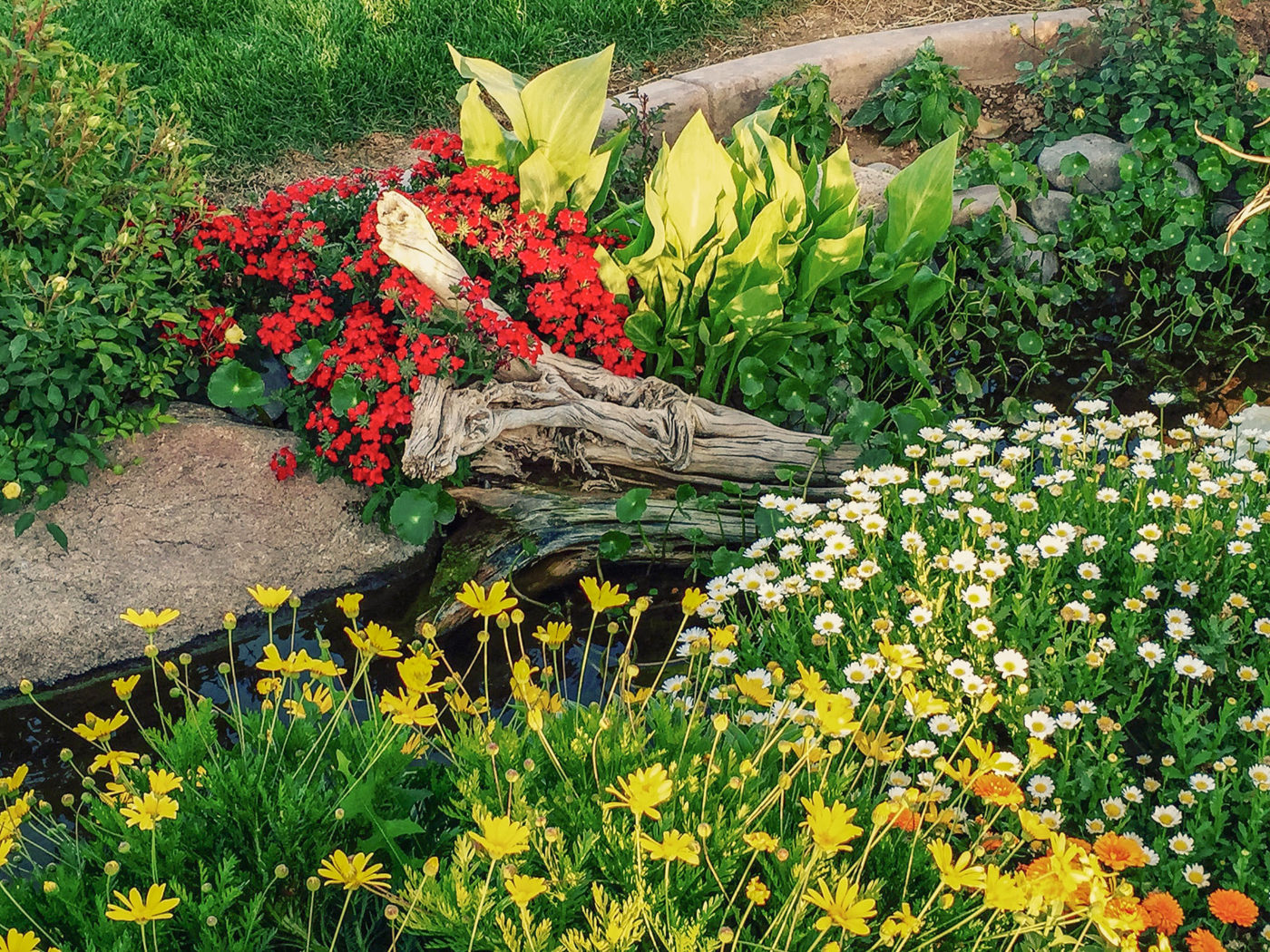
When you’re trying to attract pollinators, don’t scatter individual plants throughout the yard. Instead, group several of the same plant together in clusters or drifts. Large patches of color make it easier for bees and butterflies to spot food sources from a distance. Plus, they make convenient landing pads.
Think of your plants like a full table spread, instead of individually-wrapped snacks. The more concentrated the blooms, the more vibrant and attractive your garden becomes.
Provide blooms year-round.
When planting, you want to plan ahead so that you’ll have colorful blooms in every season. After all, pollinators need consistent food sources, not just a short burst of flowers.
You might include:
- Early-season flowers to support bees emerging in spring
- Summer perennials for peak activity
- Late-season blooms to fuel migration
Layering bloom times not only ensures your garden stays lively; it also supports pollinators throughout their life cycles.
Just add water.
Like people, pollinators need water. And the good news is that even a simple, shallow water source can make a big difference.
You don’t need a large fountain or pond (though those work beautifully if you have the budget and the space). A small birdbath, recirculating water feature, or even a shallow dish, can help. Add stones or pebbles so insects have safe places to land while they drink.
The gentle sound of water also adds a calming sensory element to your landscape, which you will enjoy along with the wildlife.
Skip the pesticides.
Chemical pesticides and herbicides can unintentionally harm the very pollinators you’re trying to attract. Even products labeled “safe” may affect bees and butterflies.
Instead of these chemical options, consider natural pest-control methods like:
- Hand-picking pests
- Introducing beneficial insects
- Using neem oil or insecticidal soap when absolutely necessary
- Improving soil health to strengthen plant resilience
A balanced garden with diverse plants and healthy soil tends to regulate itself naturally over time, making the use of pesticides largely obsolete.
Create shelter and nesting spaces.
Pollinators don’t just need food—they need places to live. Yards with shelter become complete habitats that encourage pollinators to stay.
Shelter in your yard can look like:
- Less-manicured areas with hollow stems, leaf litter, or small brush piles (perfect nesting spots for bees and beneficial insects)
- Dense shrubs or small trees (which provide protection from wind and predators)
- Bee hotels and butterfly houses
Simple additions like these can turn your garden into a true refuge.
Mix in herbs and other edible options.
Pollinator gardens don’t have to be purely decorative. Many herbs and vegetables are excellent nectar sources as well.
Plants like lavender, rosemary, basil, mint, and thyme attract bees while adding fragrance and usefulness to your outdoor space. Flowering vegetables—such as squash, cucumbers, and tomatoes—benefit directly from increased pollination, often resulting in better harvests.
This is a practical way to combine beauty, productivity, and environmental support.
—-
Attracting pollinators isn’t just about growing more flowers—it’s about supporting the larger ecosystem that keeps our landscapes healthy and thriving. With thoughtful plant choices, safe practices, and a little intentional design, your garden can become a vibrant, thriving haven for wildlife.
When you design with pollinators in mind, you’re not just planting a beautiful garden. You’re creating a living, breathing space that gives back—to you and to the environment—season after season.