Creating a beautiful landscape in Arizona presents some unique challenges. Between the brutal summer heat, low rainfall, and difficult soil conditions, not every plant is equipped to thrive in the desert. But the good news is that there are plenty of plants that have been growing here for thousands of years—and many of them are great landscaping options.
Since Native Arizona plants have adapted to the region’s harsh climate and growing conditions, they are particularly well-suited for residential landscapes. Many require less water, fertilizer, and maintenance than non-native alternatives, making them a smart choice for homeowners who want a beautiful, sustainable yard without excessive upkeep.
And choosing native plants doesn’t mean sacrificing color, variety, or visual appeal. From flowering shrubs to dramatic trees to sculptural succulents, Arizona’s native plants offer plenty of possibilities for creating an attractive, inviting outdoor space.
Here are some of the best native Arizona plants to consider for your residential landscape.
Native Arizona Trees
Trees provide much-needed shade, create visual interest, and help make outdoor spaces more comfortable during Arizona’s hot summers. Several native species are especially well-suited for residential landscapes.
Palo Verde
The palo verde is one of Arizona’s most recognizable native trees. Its name literally translates to “green tree,” because it is known for its distinctive green trunk and branches. In the spring, it produces an abundance of bright yellow flowers that bring a spectacular burst of color to the landscape.
Palo verde trees are extremely drought-tolerant once established, making them a low maintenance option that many homeowners love. They also provide filtered shade without creating an overly dense canopy.
Blue palo verde and foothills palo verde are both native options, although their mature sizes and growth habits differ. Their thorns and seasonal flower and seed litter are worth considering when choosing a planting location. Consult a professional landscape designer or your local nursery before you plant.
Desert Willow
Despite its name, the desert willow isn’t a true willow. This small, graceful tree features slender leaves and beautiful trumpet-shaped flowers in shades of pink, purple, and white that bloom throughout much of the warmer season.
Desert willows are relatively modest in size, which makes them a popular choice for smaller yards, patios, or areas where a full-sized shade tree would be overwhelming.
An added bonus: hummingbirds love them!
Desert Ironwood
For homeowners looking for a resilient shade tree that will thrive for a long time, desert ironwood is an excellent option. It features gray-green foliage, a dense canopy, and delicate lavender-pink flowers in the spring.
Ironwood trees grow slowly, but they’re exceptionally well-adapted to the Sonoran Desert. They have a naturally sculptural appearance which makes them particularly attractive in desert-inspired landscape designs.
As beautiful as they are, they can get very large, and their branches can be quite thorny, so make sure to take this into account before planting.
Native Flowering Shrubs
Desert-adapted flowering shrubs are a great way to bring color and texture to an Arizona landscape without relying on water-intensive plants.
Brittlebush
Brittlebush is a hardy desert shrub known for its silvery-gray leaves and cheerful yellow, daisy-like flowers. It typically blooms in late winter and spring, creating beautiful contrast against darker green plants and desert stone.
Brittlebush thrives in full sun and requires very little water once established, making it incredibly low maintenance. Its soft, rounded shape makes it especially effective in naturalistic landscape designs.
Chuparosa
If you want to attract hummingbirds to your yard, chuparosa is practically a must-have. This native shrub produces bright red, tubular flowers for a striking pop of color against its green stems.
Chuparosa is drought-tolerant and works beautifully in informal garden beds, mixed borders, or wildlife-friendly landscapes. It may lose some of its small leaves during dry periods, but its colorful flowers more than make up for it later.
Fairy Duster
Fairy duster gets its name from its unusual, fluffy flowers, which resemble tiny pink powder puffs. Its delicate foliage and airy growth habit provide a softer contrast to the sharper shapes of cacti and agaves.
This low-growing native shrub is an excellent choice for adding texture and seasonal color to desert gardens. It also attracts hummingbirds and other pollinators.
Native Cacti and Succulents
No discussion of native Arizona landscaping would be complete without cacti and succulents. These plants offer architectural interest, thrive in dry conditions, and can serve as dramatic focal points. Plus they come in so many different varieties, it’s easy to find just the right one for any design aesthetic.
Prickly Pear Cactus
Prickly pear is one of the most versatile native cacti for residential landscapes. Its broad, flat pads create interesting shapes, while its colorful flowers and fruit provide seasonal appeal.
Several species are native to Arizona, including Engelmann prickly pear. Depending on the variety, prickly pear can be used as a focal point, a natural barrier, or part of a larger desert planting.
Prickly pear is a cactus with sharp spines and glochids (hair-like, barbed prickles that latch on to skin easily), so be sure to keep it away from narrow walkways or heavily used gathering areas.
Ocotillo
One of the most unique cacti in the Arizona desert, ocotillo have tall, slender stems and brilliant red flowers. They make an unforgettable statement in a desert landscape, and are often used as dramatic accents near entryways or within a desert garden.
Although it often looks like a collection of bare branches or spiny sticks, ocotillo produces small green leaves after decent rainfall, which they can shed during dry conditions.
Parry’s Agave
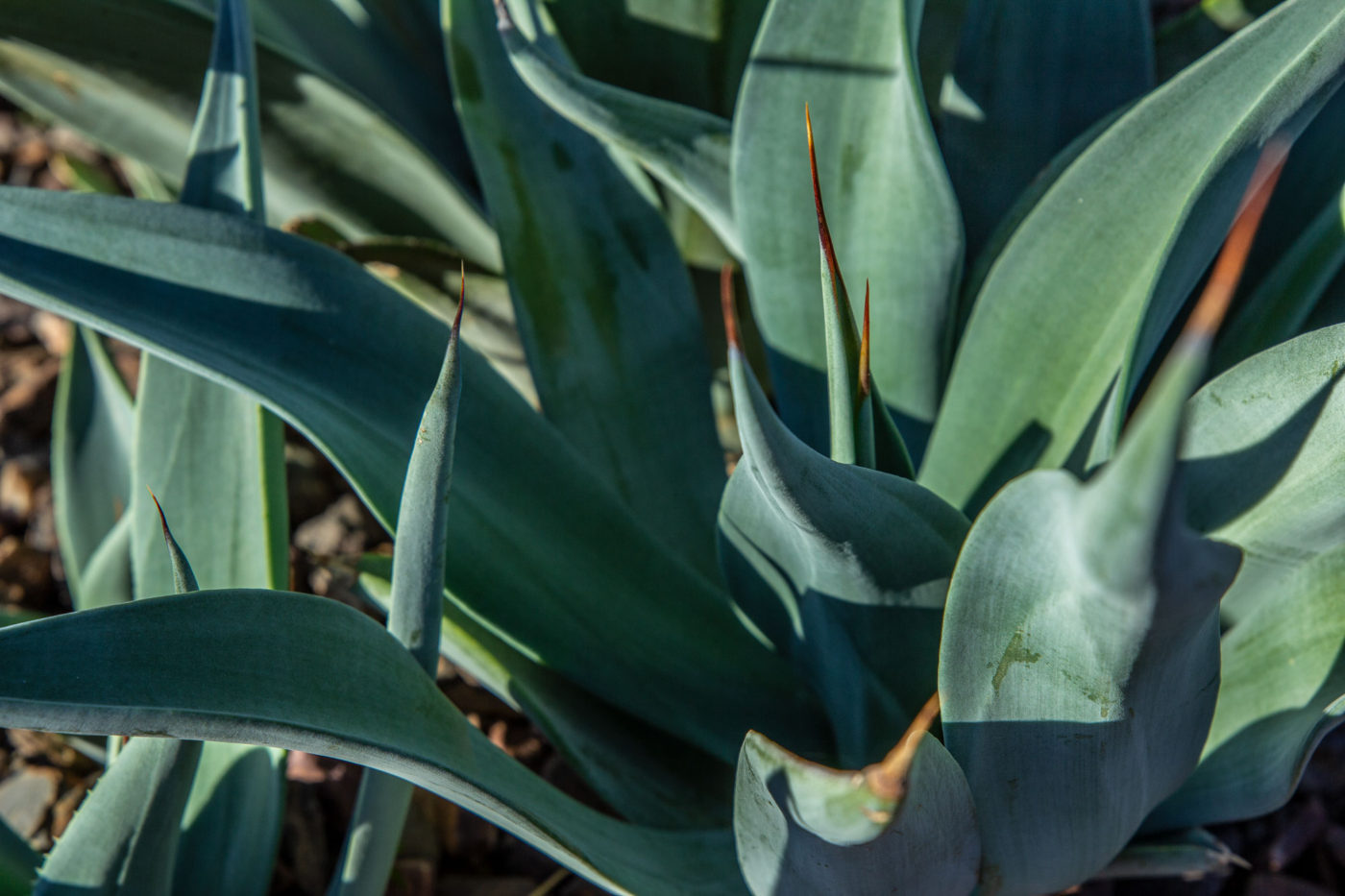
For a bold, sculptural addition to the landscape, consider Parry’s agave. This Arizona native succulent forms compact rosettes of thick, blue-gray leaves that look beautiful alongside boulders, gravel, and flowering plants.
Parry’s agave is slow-growing, low-maintenance, and an excellent choice for contemporary desert designs. Still, it does have sharp leaf tips, which means you need to be thoughtful about placement, particularly if your yard is used by children or pets.
Native Wildflowers and Ground-Level Color
Trees, shrubs, and succulents provide structure, height, and striking focal points, but smaller flowering plants can bring additional softness and color to a landscape.
Desert Marigold
Desert marigold produces bright yellow, daisy-like flowers that can bloom over a long season (if conditions are favorable). Its compact growth habit makes it a good option for borders, rock gardens, and areas where you want low-growing color.
Desert Globemallow
With its soft, gray-green foliage and delicate flowers, desert globemallow brings a relaxed, natural appearance to Arizona yards. Its flowers are commonly orange but also appear in pink, lavender, or other shades.
Globemallow is especially effective when planted in groups, creating colorful drifts that complement larger shrubs and desert trees.
Tips for Landscaping With Native Arizona Plants
Although native plants are naturally adapted to Arizona’s climate, thoughtful planning is still essential. Here are some tips to keep in mind.
- Consider each plant’s mature size, sunlight requirements, and growth habits.
- Group plants with similar watering needs together.
- Remember that even drought-tolerant plants generally require regular irrigation while becoming established.
- Have trees and shrubs professionally trimmed and maintained to encourage healthy growth.
- If you’re hesitant to create a desert-only landscape, try blending native species with other climate-appropriate plants. It’s totally possible to create a cohesive design that combines sustainability with your personal style.
Create a Beautiful Arizona Landscape
Native Arizona plants offer an incredible combination of beauty, durability, and practicality. Whether you’re looking for colorful flowering shrubs, low-maintenance greenery, or striking desert accents, there are plenty of native species that can help transform your residential landscape.
Still not sure where to start? Rustic Creek Landscaping specializes in creating beautiful, functional outdoor spaces that work with Arizona’s unique climate. Our team can help you choose the right plants, develop a cohesive landscape design, and create an outdoor environment you’ll enjoy for years to come. Contact us to get started on your next landscaping project.