As we move into 2026, we’re looking forward to a year full of exciting trends in landscape design. In the coming months, the industry will move into an era where sustainability, comfort, and technology blend seamlessly with natural beauty to create modern, livable outdoor spaces.
Now more than ever, homeowners in Phoenix and across the Southwest want to create outdoor areas that not only look impressive but also make everyday life easier and more enjoyable. So whether you’re planning a full outdoor renovation in 2026, or simply refreshing a corner of your yard, this year’s emerging trends offer inspiration for every style and budget.
Climate-smart landscaping takes center stage.
Water-wise landscaping has long been a priority in many areas, but 2026 brings an even stronger focus on designs that accommodate extreme heat and unpredictable weather patterns. Climate-smart landscapes prioritize native plants that thrive in regional conditions while minimizing resource use.
In practice, this looks like:
- Replacing large turf areas with native groundcovers (e.g. desert-friendly options in the Phoenix area)
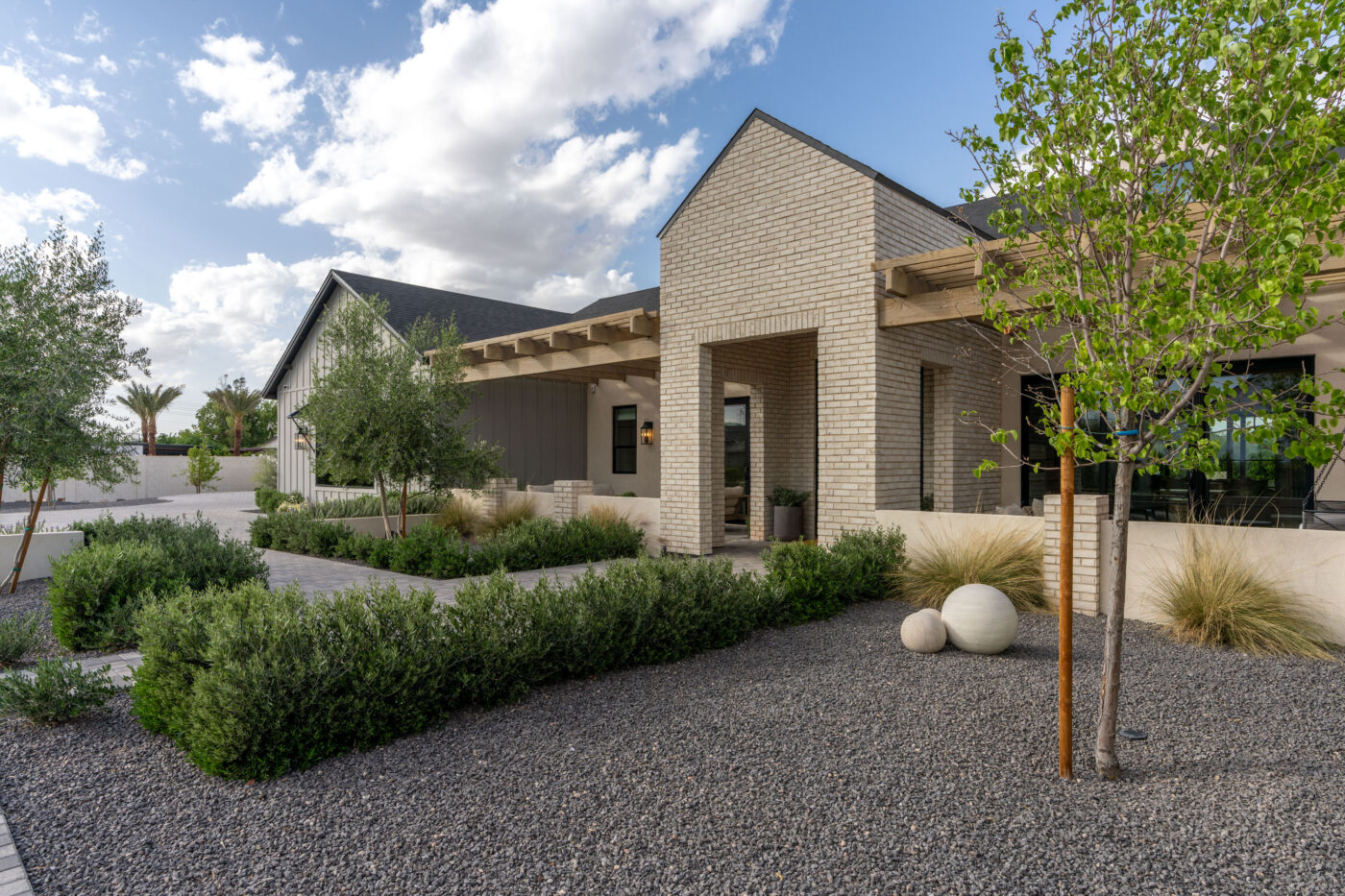
- Installing permeable gravel patios
- Using native plant groupings that create lush visuals without high water demand
- Strategically placed trees, structures, or shade sails that create shade while contributing to the yard’s design
The result? Outdoor spaces that feel cooler, function better, and stand strong through every season.
Outdoor living spaces are more essential than ever.
The trend of outdoor living spaces isn’t going away any time soon. In fact, it’s evolving. In 2026, landscape design will treat backyards as true extensions of the home, with thoughtfully furnished “rooms” that support relaxation, hobbies, socializing, and even working.
Covered patios are becoming more substantial and well thought-out, with built-in fans, integrated lighting, fireplace features, and retractable screens. Outdoor kitchens are expanding beyond the basic grill or mini fridge to include pizza ovens, beverage stations, and counter space to rival most indoor kitchens. Designers are incorporating hardscaping materials that withstand the elements and make the spaces comfortable year round.
In short, well-designed outdoor living spaces continue to rise as a top homeowner investment.
Homeowners prioritize low-maintenance luxury.
In 2026, homeowners want beauty and relaxation—not endless upkeep. As such, modern landscape design is embracing simple plant palettes, clean lines, and curated textures to help spaces feel both elegant and effortless.
Examples of this low-maintenance luxury include:
- Using low-maintenance plants (such as succulents) as sculptural accents
- Adding trees to form natural canopy layers
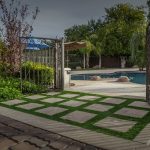
- Using artificial turf sparingly, framing it with natural elements
- Durable hardscape materials that will look brand new for years
By blending natural and low-maintenance elements, you can create a polished, resort-style look that will be perfectly on-trend.
Earthy, natural materials reign supreme.
Landscape designers are moving away from overly modern, high-contrast materials and returning to a palette that feels more grounded and organic. (Think: natural elements like limestone, sandstone, and reclaimed wood.)
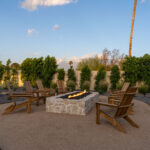
Patios and walkways may feature hand-textured pavers or irregular stone patterns. Fire pits will shift toward muted earth tones rather than bold black. Outdoor furniture will see a resurgence of natural fibers and woven textures.
By embracing this trend, homeowners can connect with their surroundings and make their yard feel like a true oasis.
Smart irrigation and lighting systems have become the norm.
Technology has grown strong roots in the garden (pun intended). Smart irrigation systems are basically standard upgrades. If homeowners want to control watering schedules or monitor their systems, they can often do so with an app. Expect to see this expand even further this year, especially as homeowners take deliberate steps toward sustainability and water conservation.
Outdoor lighting is also becoming more technology based. Trends we expect to see more of in 2026 include:
- Tunable LED lighting that shifts color temperature to create the perfect ambiance
- Motion-activated path lights
- Wi-fi-enabled systems that sync with sunrise, sunset, and weather patterns
- Energy-efficient fixtures designed to minimize light pollution
Convenience, aesthetics, and sustainability? What more could you ask for in your yard systems?
Biodiversity becomes a design element.
A growing number of homeowners want landscapes that support local wildlife and contribute to ecological health. This may include using native plants and/or plants that offer food or shelter for wildlife.
Design trends for 2026 may include:
- Plants that attract local pollinators
- Using native wildflowers to create bursts of color
- Adding water sources like birdbaths or recirculating fountains
- Using layered plant grouping to mimic natural ecosystems
By keeping biodiversity in mind as you design your landscape, you can create an outdoor space that feels vibrant and alive.
—
Overall, these 2026 landscape design trends reflect a broader shift toward balance—the balance between nature and comfort, beauty and function, and sustainability and style. No matter how you plan to embrace these trends in 2026, they’re sure to help you create a landscape that feels timeless, livable, and truly connected to nature. If you’re ready to transform your outdoor space, contact Rustic Creek Landscaping, Arizona’s top landscape design and installation company today to get a free, no obligation quote for your landscape design and installation.