
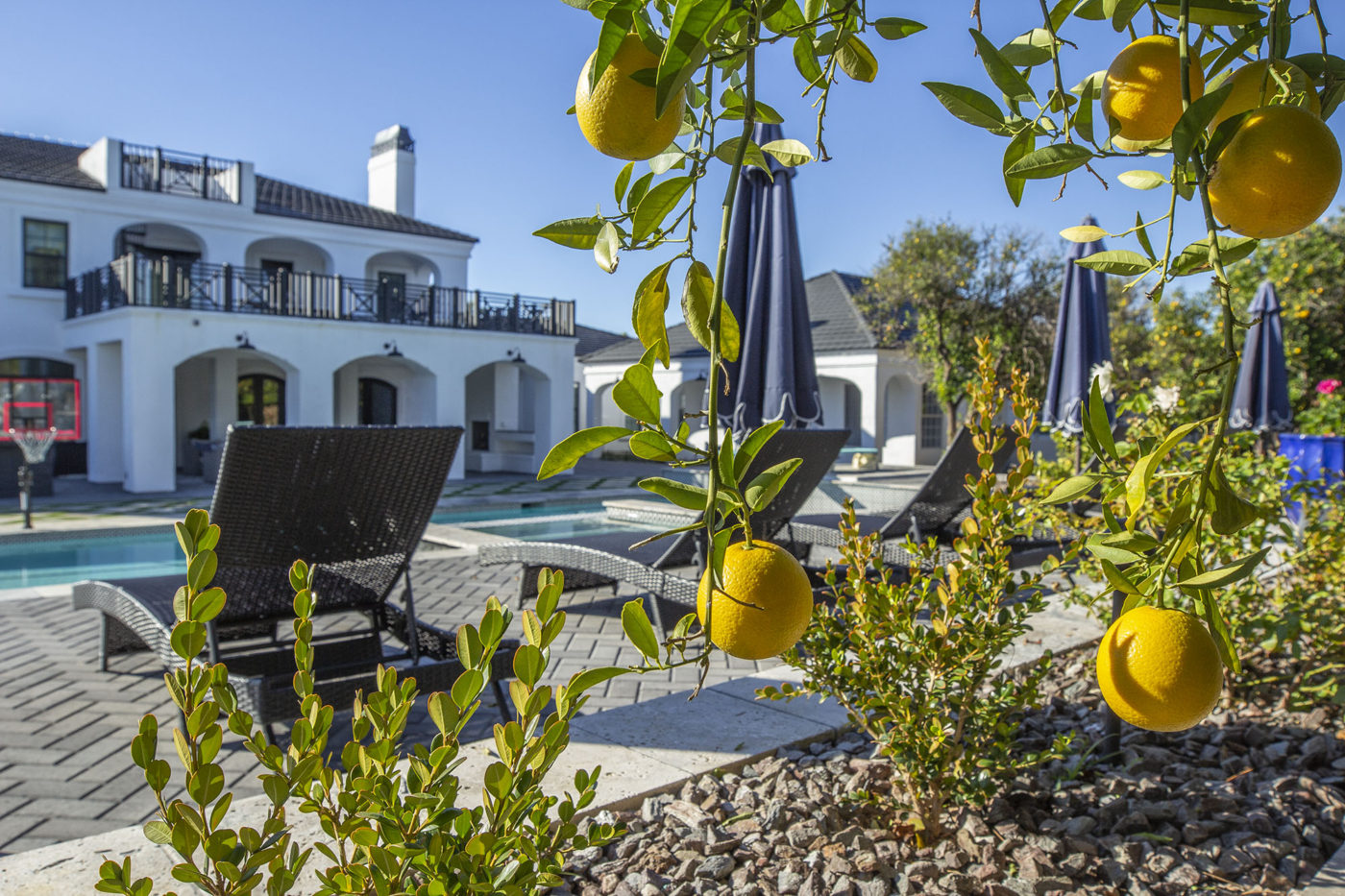
Want your landscape to be the ultimate blend of form and function? One of the best ways to do just that is by incorporating edible plants into your design.
In the past, vegetable gardens were usually kept separate from more ornamental outdoor spaces, but today’s homeowners are discovering the benefits of “edible landscaping.” This design approach integrates fruits, vegetables, herbs, and even edible flowers into the overall aesthetic of the yard, creating a landscape that is sustainable, useful, and beautiful.
Whether you have a large backyard or just a small patio, edible plants can be woven into nearly any space and can work with design style. Here are some of our best tips for incorporating edible plants into your landscape.
Start With Design
Resist the temptation to just start planting and hope for the best. A successful edible landscape begins with the same principles as any well-designed yard: intentionality.
Use balance and layering to create a cohesive yet interesting outdoor space. While traditional garden beds might be rectangular and tucked into a corner, you can use these spaces to enhance and highlight focal points, pathways, and gathering areas.
For example, raised beds with clean lines will complement modern architecture. Curved borders of leafy greens can soften walkways and fill in open space. Vertical trellises covered in climbing beans or flowering peas can add privacy and visual interest.
Think of your edible plants as design elements first. This will help you create a space that feels harmonious, rather than strictly separated.
Choose Ornamental Edibles
Many edible plants are surprisingly beautiful. If you arrange them thoughtfully, their textures, colors, and growth habits can rival traditional ornamentals.
Some beautiful options include:
- Rainbow chard (vibrant stems and lush foliage)
- Purple basil (dramatic contrast in containers or borders)
- Blueberry shrubs (seasonal flowers, fruit, and fall color)
- Strawberries (charming groundcover)
- Herbs like rosemary or thyme (structure and fragrance)
- Edible flowers such as nasturtiums or calendula
Mixing these plants with ornamental grasses, flowering perennials, or shrubs creates layered landscapes that feel abundant but also intentional.
Use Containers and Vertical Space
Not every edible landscape requires digging up large portions of your yard. Containers allow you to extend growing spaces to patios, balconies, and entryways.
Large pots can hold tomatoes, peppers, dwarf citrus trees, or herb combinations. Window boxes and railing planters are great for growing (and displaying) leafy greens. Vertical systems—like wall-mounted planters or trellises—maximize growing space while adding architectural interest.
Another bonus to this approach is flexibility. You can move your containers when needed, whether your plants need extra sunlight or shelter from harsh weather. Containers also make it easy to refresh your layout seasonally (or whenever you want).
Blend Edibles Into Existing Beds
If you aren’t sure where you start with your edible landscape, one of the best ways is by simply mixing edible plants into beds you already have.
Instead of sticking to decorative annuals, tuck in herbs or leafy greens. Replace a non-productive shrub with one that grows fruit. Edge a pathway with strawberries or compact kale.
These small changes dramatically increase the usefulness of your landscape—without requiring a complete redesign.
You can also take advantage of companion planting, which can improve plant health. For example, marigolds help deter pests, and flowering herbs attract beneficial pollinators. Plus, diversity in planting leads to a more resilient garden overall.
Consider Sun, Soil, and Water Needs
Edible plants tend to be more picky about their growing requirements, so thoughtful placement is essential. Many vegetables and fruiting plants need at least six to eight hours of sunlight per day, while herbs are often more adaptable, and leafy greens can tolerate partial shade. Know which areas of your yard will be best for each type of edible plant you use.
Soil quality matters as well. If your landscape soil is rocky or compacted, raised beds or containers may lead to better results. You can also use compost in planting areas to improve structure, drainage, and nutrient availability.
And of course, you have to consider watering needs. When possible, use drip systems and targeted watering systems; these help keep edible plants healthy while conserving water and preventing disease.
Plan for Harvest and Maintenance
An edible landscape isn’t really a “set it and forget it” type of landscape. Instead, it’s interactive. You’ll be pruning, harvesting, and replanting throughout the growing season.
This means you’ll want to think about access when you create your landscape design. Avoid placing edible plants in hard-to-reach spots. Create clear paths between planting areas when possible. Think about how the garden will look after harvest, and fill gaps with long-lasting ornamentals or successive plantings.
Additionally, plan on rotating plants seasonally. The place where you plant your spring greens could be the same place you plant your summer tomatoes, followed by fall herbs. This helps keep the landscape fresh and productive year-round.
Support Wildlife and Pollinators
Edible landscapes naturally attract bees, butterflies, and birds, all of which play a role in pollination and pest control.
Support this activity even further by including flowering plants alongside your edible ones. You might even consider adding a small water source, like a birdbath or recirculating fountain, can further encourage beneficial visitors.
Over time, your yard can become a balanced, sustainable ecosystem rather than a static display.
When you incorporate edible plants into your landscape, you change the way you experience your outdoor space. It encourages you to step outside more often, notice seasonal changes, and enjoy the simple satisfaction of growing something that isn’t just useful, but actually nourishing.
From fresh herbs to colorful vegetable borders, edible landscaping offers beauty with purpose. With thoughtful planning and creative design, your yard can become beautiful and functional at once, supporting not just your home’s curb appeal, but your family’s everyday life.